



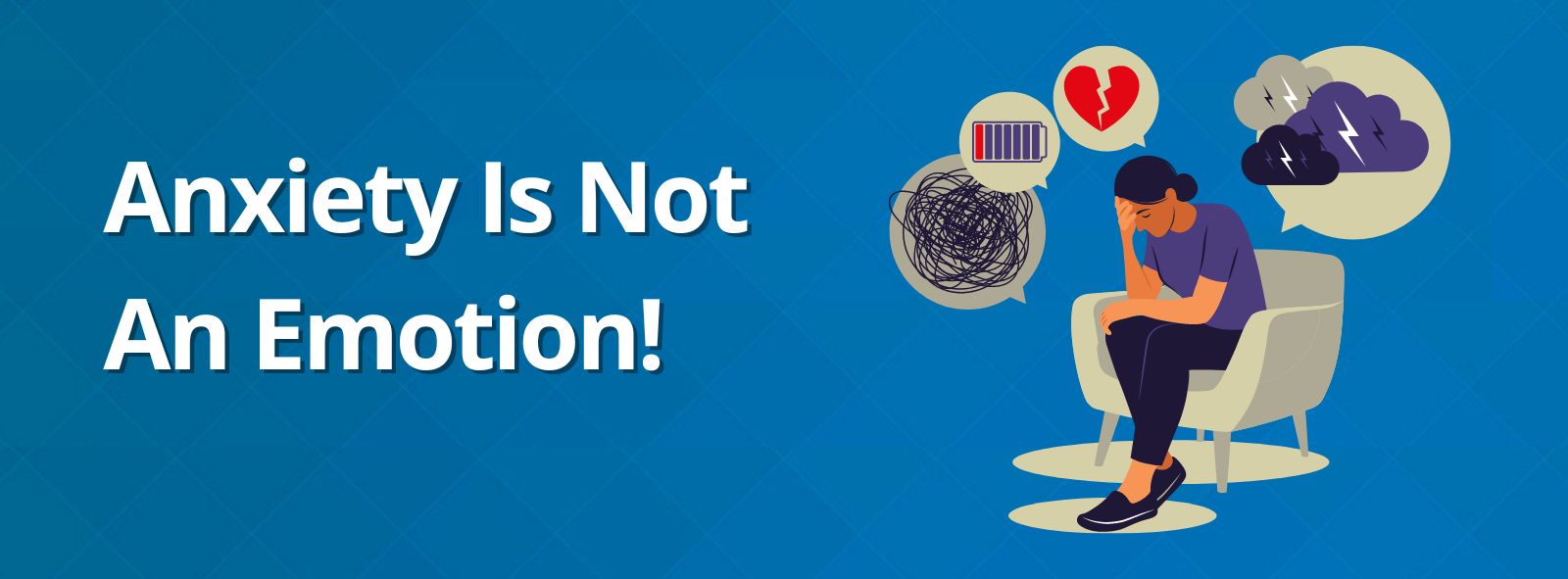
Did you know that anxiety is not an emotion?
What is anxiety?
You may believe you “feel” anxious but in reality, you are sensing anxiety. Anxiety is a physiological reaction from the fight/flight function of the vagus nerve. It triggers the adrenals (top of kidneys) to shoot cortisol and adrenaline into your nervous system and sets off an alert to potential danger. You feel it as a “state” in your solar plexus above your kidneys.(Thanks to Marie-Helene Pelletier for some excellent insights on this topic from her book “The Resilience Plan”.)
But just as anxiety is not an emotion, the hormones it sends out to your body are in most cases (unless you are being pursued by a wild animal or in a war zone) not signs of real danger. This makes anxiety “homeless”. It is a moving target in search of a home, but it is always being kicked out, because of bad behaviour! Anxiety can never be satisfied.
Which makes it a close partner to perfectionism. Never happy, never good enough, never completed. Anxiety, perfectionism, criticism, and paranoia cause repeating neurological thought loops, entrenching fear (false expectations appearing real). This leads to catastrophizing (seeing disaster around every corner) or magical thinking (belief that unrelated events are connected despite absolutely no evidence) because remember – these thinking patterns are the result of anxiety, so they chase around looking for a place to live. Nobody wants to let them in permanently since they are so disruptive.
Emotions on the other hand, are our friends. Whether they are pleasant or unpleasant, they ask to be acknowledged and felt. When we do acknowledge our emotions they are free to transmit messages necessary to both surviving and thriving. But because we aren’t very good at acknowledging and accepting our emotions, they keep returning and eventually get stuck somewhere in the body. You may sense stuck emotions in the muscles, organs or entire areas of the body where they create stiffness, pain and inflammation. This sounds terrible doesn’t it?
But there’s hope!
There are three practical things you can do – or rather -un-do, to create and sustain feelings of calm, peace and confidence.

Tip #1: Success List
The first one is cognitive. For this I like to use an activity that came first from the Productivity Ninja book, and then really came into focus for me with the Asian Efficiency blog. The activity is called “moving your to-do list to a success list”. Start with a sticky note pile and a pen or pencil. Put on a timer for two minutes and write the first “to do” thing that comes up on a sticky note, rip it off and put it aside. Keep going until your timer goes off. Then look for categories to put them into piles. Put the top priority for each pile on the top of the pile.
That becomes a no-more-than-3-items “success list”. Whenever you feel overwhelmed or notice obsessive thought habits kicking in, do this activity with the three daily priorities visible where you can mark them “completed”.
This is calming because you tell yourself you only have three tasks you can do today, and there is only one thing you must do today. Other items can go onto your must-do one thing for the week and for the month. The result is a sense of calm and order. It feels satisfying.
Tip #2: Use anxiety as a cue to notice your breath and name your feeling
The second one is to become consciously aware you are breathing and then consciously aware of whatever feeling you are experiencing in the moment. If you do this once a day, then make it a practice whenever you notice sensations of anxiety or obsessive thinking, it will calm your nervous system and replace danger signals with signals of well-being. If at some point you are actually in a dangerous situation, the practice of noticing breath and emotion will cue you to stay clear-headed and calm so you can respond appropriately.

Tip #3: The power of acceptance
Finally, whatever you notice or experience, tell yourself “I accept that I am feeling this right now.” Acceptance is the thriving part of your nervous system that allows feelings of joy to blossom and sparks inspiration bringing increased blood flow to the brain. When you accept that one feeling “in the moment”, it opens the horizon to other good things following. And you can wave goodbye to anxiety as that happens.
So to wrap things up today, anxiety is not an emotion, it is a physiological state that you can calm. Calm can come from practicing any of the three tips I mentioned, but if you do all three you are likely to experience relief.
They are:
- One must-do a day: Use the sticky note to do exercise to choose one must do and three can do items for the day. Then cross them off when they are completed for the sake of self-satisfaction.
- Use anxiety as a cue to notice breath and name feelings: When you detect anxiety or obsessive thinking starting up, allow that to cue you to notice your breath and notice whatever you are feeling.
- The power of acceptance: Accept whatever you are feeling, listen to the sensations and emotions of your body and allow whatever thought comes up to pass through.
Now if you are already trying these things on your own, but feel you need some support from a professional to make this your reality, email me marie@shiftworkplace.com so we can choose a time to connect and talk.
FAQs (frequently asked questions) about workplace anxiety
If anxiety isn't an emotion, then what emotion am I actually feeling?
Anxiety is your body’s alarm system responding to a perceived threat. The underlying emotion could be fear, uncertainty, shame, grief, frustration, disappointment, or even excitement. Learning to identify the true emotion beneath your anxiety helps you respond more effectively instead of reacting automatically.
Related reading: Cognitive Distortions: Why Your Brain Is Lying to You (And How to Fix It) helps explain how our thinking patterns influence emotional responses.
Why does my body react before my mind knows what's wrong?
Your nervous system constantly scans for danger, often outside your conscious awareness. This means your body can respond to subtle cues—such as tone of voice, workplace conflict, or uncertainty—before your thinking brain has identified the cause. Recognizing these early physical signals allows you to regulate your response before anxiety escalates.
Related reading: Daily Mindfulness Techniques for Work and Life offers practical grounding exercises to calm your nervous system.
Can workplace anxiety be caused by past career experiences?
Yes. Previous experiences such as workplace bullying, harassment, toxic leadership, layoffs, or repeated criticism can leave lasting patterns in your nervous system. Even when you’re in a healthier workplace, your body may react as though the old threat still exists until those patterns are addressed.
Related reading: Career Trauma? What’s That? explains how unresolved workplace experiences continue affecting your reactions long after the event has passed.
How do I know whether I'm experiencing anxiety or chronic stress?
Stress usually has an identifiable source and often decreases once the situation improves. Anxiety may continue even when there is no immediate danger because your nervous system remains activated. If your body feels constantly on alert despite things going well, anxiety may be playing a larger role.
Related reading: When “I’m Fine” Stops Working – Stress explores how chronic stress develops and why many professionals overlook its warning signs
Can mindfulness really reduce workplace anxiety?
Yes. Mindfulness doesn’t eliminate problems—it helps regulate your nervous system so you can respond thoughtfully instead of reacting automatically. Even short mindfulness practices can lower physiological arousal, improve focus, and increase emotional resilience throughout the workday.
Related resource: Mindfulness Mondays provides practical techniques you can use in just a few minutes each day.
Why do I still feel anxious even when nothing bad is happening?
Your nervous system learns through experience. If it has repeatedly associated work with pressure, conflict, or uncertainty, it may continue preparing you for danger even when your current environment is safe. Recovery involves gradually teaching your nervous system that you are no longer under threat.
Related reading: Moving to Health from Burnout explains how rebuilding nervous system resilience supports long-term wellbeing.
When should I seek professional support for workplace anxiety?
If anxiety regularly interferes with your work, relationships, sleep, decision-making, or overall wellbeing, professional support can help. Working with a qualified coach, therapist, or healthcare professional can help you understand your triggers, regulate your nervous system, and develop practical strategies for lasting change.
Related reading: If your anxiety stems from unresolved workplace experiences, Career Trauma? What’s That? may help you identify the underlying causes.
About the Author
Marie Gervais, PhD., helps people move from work trauma to career transformation. With a Doctorate in Culture and Learning in the Workplace, Certification with the International Coaching Federation, Emotional Freedom Coaching, and as a Certified Training and Development Professional, Dr. Gervais has helped hundreds of stuck career professionals and managers take charge of their lives and reach their goals.
If you want to gain new insights and release what is not serving you, and turn wishful thinking into a meaningful, well compensated career, book your career strategy call now!